
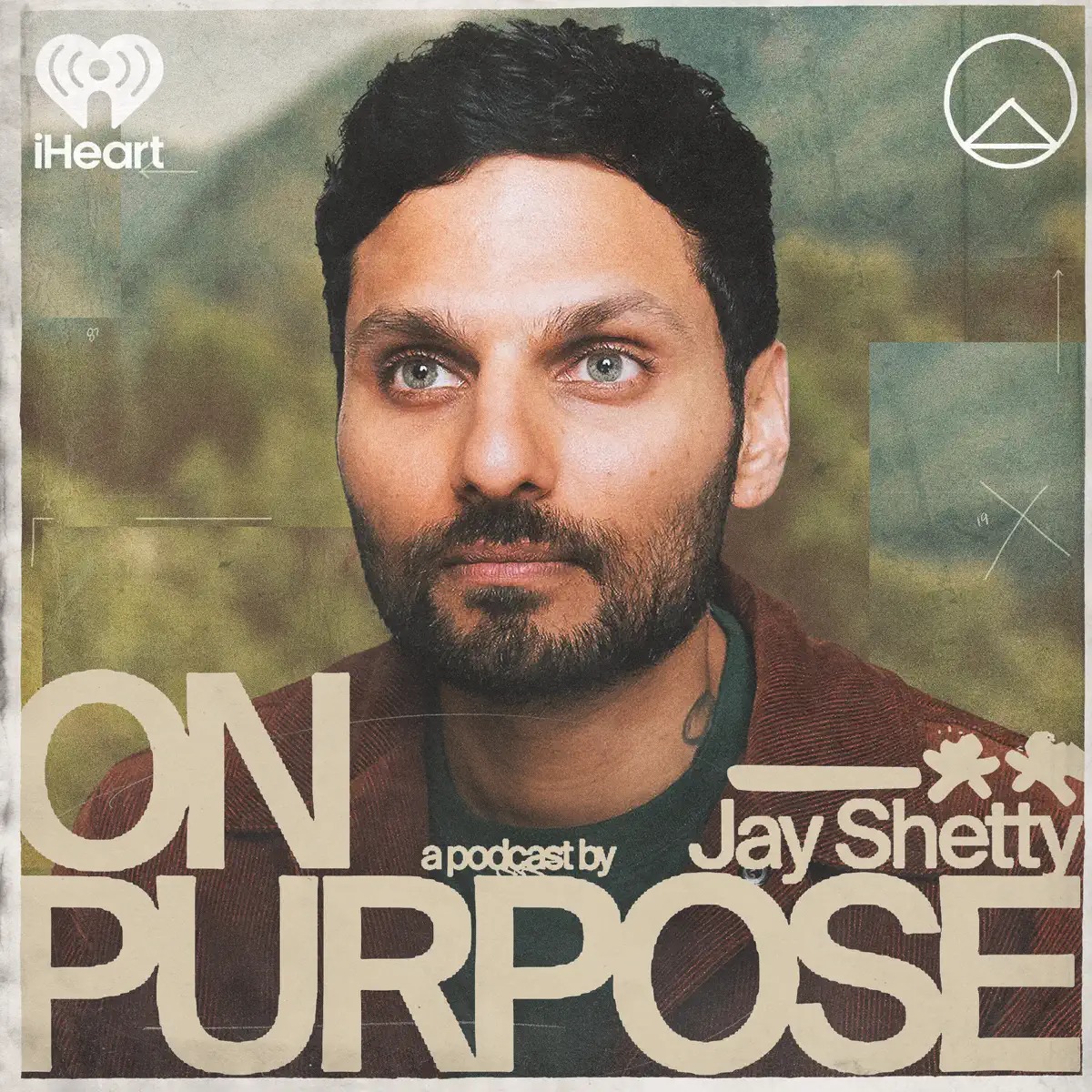
On Purpose with Jay Shetty
On Purpose sells calm, purpose and authenticity, but the public record around copied material and disputed self-presentation makes that promise part of the critique. The show turns spiritual authority into a broad wellness business, where inspiration, health-adjacent claims, courses and products can blur into one persuasive sales environment.
This is editorial opinion about recurring patterns across the show, not a claim that every episode shares every fault. We assess the guests, framing, questions, challenges, context, corrections and distribution choices visible in the published work—without claiming a secret agreement or motive. Examples are factual anchors, and reported allegations are labeled as such.
Why it is popular
- The soft voice, personal stories and reassuring advice feel safe when life is confusing.
- Shetty brings famous actors, founders, doctors and wellness personalities into a simple story about becoming a better person.
- Short clips make complex emotional problems look easy to name and fix.
- The former-monk identity gives ordinary self-help language a feeling of ancient authority.
- Listeners can mistake warmth and familiarity for proof that the advice has been tested.
Why it sucks
- A show built around authenticity has to answer for the documented history of copied posts, unattributed quotes and questions about how Shetty presented his monk past.
- The host chooses the guest, the question and the emotional frame. A friendly conversation can make a weak claim feel wise without ever asking what would prove it wrong.
- Stories about purpose and healing are often allowed to stand in for evidence about health, psychology or relationships.
- The trust built through the show flows into a paid coaching school, tea and brand partnerships without a clear boundary between help and selling. The Guardian reported that the school’s claimed links to UK regulators and universities were challenged by those bodies.
- Hard social problems are reduced to mindset and personal habits, leaving power, money, illness and bad luck out of the picture.
How it makes you dumber
- It teaches that a beautiful story is a reliable explanation for why people suffer or succeed.
- It turns uncertainty into a personal failure: if a practice did not work, the listener is nudged to believe they did not commit enough.
- It encourages people to treat broad wellness advice as if it were tailored medical or psychological care.
- The calm format makes repetition feel like depth even when the idea has not been tested or compared with alternatives.
- It trains listeners to seek a charismatic guide instead of building the habit of checking claims against evidence and lived reality.
The reasoning tricks it uses
- Appeal to a former-monk identity substitutes spiritual status for proof.
- Anecdotes and celebrity testimony are used as if they settle questions about mental or physical health.
- False balance appears when a qualified clinician and a broad wellness personality are treated as equivalent voices.
- Lies through omission hide failed approaches, uncertainty and the limits of what a guest actually knows.
- When challenged, a claim can retreat into metaphor or personal experience instead of being answered directly.
How it spreads bad information
- The show moves across anxiety, ADHD, sleep, diet, gut health, manifestation and other health topics where confident advice can outrun the evidence.
- Anecdotal improvement is made memorable while side effects, failed trials and professional disagreement receive less attention.
- The result is not just a wrong fact; it can make people delay appropriate care or spend money chasing a branded solution.
- Guests can make a claim, receive affirmation or silence, and leave listeners to mistake the lack of challenge for confirmation.
- Corrections and qualifications are less shareable than the original promise, so the algorithm keeps the simple version alive.
Who it helps look credible
- The show can lend a polished, compassionate image to guests whose health claims are weak, commercial or outside their training.
- Shetty's own disputed origin story and copied-content history show how easily a credibility signal can be repeated until it feels like fact.
- Questionable claims are softened by therapeutic language: the guest is framed as caring, brave or misunderstood before the claim is tested.
- A guest's product, course or method benefits from the host's trust even when the conversation never discloses the full commercial incentive.
- The absence of a clear correction standard lets the show look benevolent while still transferring authority to people who have not earned it.
How it benefits at your expense
- The audience spends time on advice that is broad enough to sound personal but vague enough to avoid accountability.
- The wellness ecosystem turns insecurity, grief and confusion into repeat customers for courses, certifications, products and sponsors.
- Listeners may pay for a branded fix before checking whether a qualified professional or public-health source recommends it.
- Engagement rewards emotional certainty and transformation stories, not careful limits or honest failure rates.
- The business gets the revenue and data; the listener carries the risk when a soothing answer is incomplete or wrong.
What it keeps teaching underneath
- A marketable version of spirituality is presented as universal wisdom, even when it fits a particular class and consumer lifestyle.
- Authenticity becomes a performance that can be packaged, certified and sold.
- Personal responsibility is emphasized in ways that can quietly blame people for structural hardship or illness.
- The host's gentleness can disguise how much control he has over which voices become believable.
- The underlying lesson is often that a better self is one more purchase, routine or course away.
Why well-read critical thinkers steer clear
- You have to separate useful reflection from health claims, copied material, disputed biography and product marketing while listening.
- The show mixes qualified experts with wellness entrepreneurs under one soothing tone, so trust does not stay attached to expertise.
- A focused book, licensed clinician or evidence-based service usually offers more accountability for the same time.
- Well-read listeners notice when authenticity is asserted as a feeling instead of demonstrated through transparent sourcing, correction and limits.
Sources and factual anchors
- Official On Purpose podcast listing
- The Guardian investigation into copied content and the monk story
- STAT profile of Shetty's wellness media and product business
- Official Jay Shetty biography and commercial roles
Sources anchor specific factual examples. The overall assessment and conclusions are editorial opinion.