
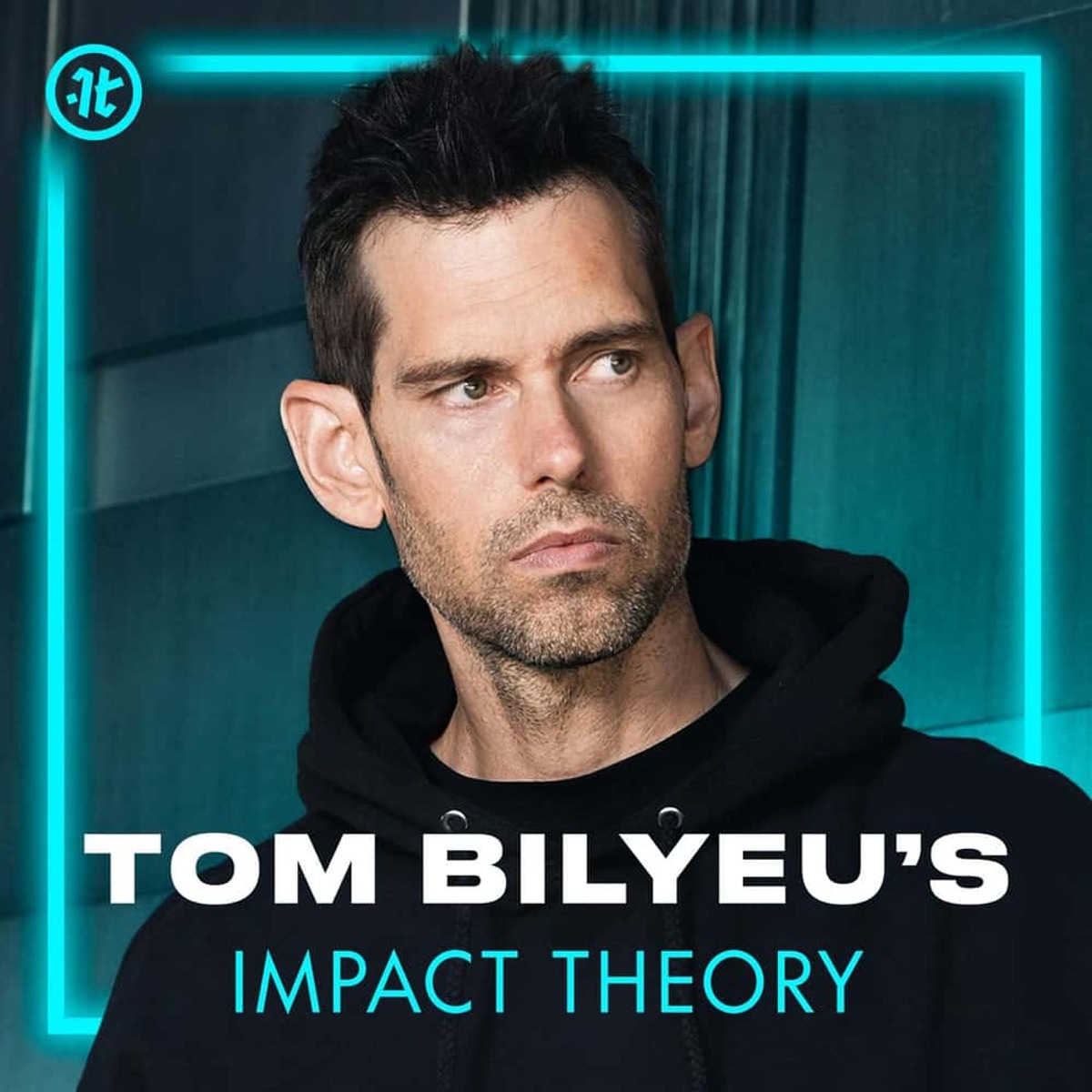
Impact Theory
Impact Theory turns the language of curiosity and personal growth into a media-and-product funnel. Tom Bilyeu's confidence, success story and promise to find what is real can make simple motivational claims, guest speculation and expensive courses feel like a single path to transformation.
This is editorial opinion about recurring patterns across the show, not a claim that every episode shares every fault. We assess the guests, framing, questions, challenges, context, corrections and distribution choices visible in the published work—without claiming a secret agreement or motive. Examples are factual anchors, and reported allegations are labeled as such.
Why it is popular
- The show promises an unbiased pursuit of what is real while covering business, science, culture and the future.
- Bilyeu's Quest success story makes his advice feel tested by results rather than just words.
- High-energy questions and dramatic titles turn complex problems into an exciting personal challenge.
- Guests range from founders and authors to scientists and public figures, giving the feed a wide, ambitious look.
- The show offers a clear emotional payoff: become stronger, more disciplined and unstoppable.
Why it sucks
- A host who says he is searching for truth still chooses the guest, premise, questions and edit. That control makes neutrality a claim to test, not a fact to accept.
- A business success story can become a shortcut to authority on psychology, medicine, politics and science.
- The show can present confidence and a memorable framework where the listener actually needs uncertainty, data and competing explanations.
- The content, courses, events and coaching offers sit close together, so inspiration can double as a sales pitch without a clean line between them.
- Big promises about mindset make structural problems look like failures of willpower.
How it makes you dumber
- It teaches that every outcome is mainly a mindset problem, which hides luck, money, health, discrimination and the real limits people face.
- Anecdotes from winners are treated as a plan that should work for everyone, even though survivorship bias removes the failures.
- The dramatic format rewards a neat three-step answer instead of the slow work of measuring whether it works.
- Listeners can mistake motivation for knowledge and urgency for evidence.
- Repeated exposure to the same success story can make buying the next program feel like progress.
The reasoning tricks it uses
- Appeal to wealth and celebrity substitutes for expertise outside entrepreneurship.
- It spotlights people who succeeded with a method and hides those who tried it and got nowhere.
- False balance places fringe claims beside established research as if airtime makes the evidence equal.
- Anecdotes, personal transformation and “I did my own research” are used to outrank transparent methods.
- Lies through omission leave out conflicts, failed predictions, how common something really is and the strongest objections.
How it spreads bad information
- The show moves through health, psychology, politics and science where a persuasive guest can make a claim far beyond the evidence.
- Bilyeu's questions may sound probing while the most important challenge never arrives: what is the source, what would disprove this and what happened when it failed?
- A guest's confident story can be clipped into advice that loses every caveat and limitation from the original conversation.
- The harm is practical: people can spend money, reject qualified help or adopt a false explanation for why their life is difficult.
- Once the audience trusts the host's “truth-seeking” brand, later claims inherit credibility before they earn it.
Who it helps look credible
- The platform can give fringe health, finance or culture-war claims the visual language of a serious interview.
- Successful founders and polished experts can sit next to unreliable personalities, allowing the setting to transfer credibility across them.
- Affirmation, silence and rapid topic changes let a guest avoid the exact point where a claim would need proof.
- The host's public mission and success story can make a guest's self-promotion look like education.
- Courses and branded offers benefit when listeners see the host as a guide who has already solved the problem.
How it benefits at your expense
- Impact Theory's own site promotes more than 100 hours of courses and reports thousands of students, making attention the top of a paid funnel.
- Its terms state that high-ticket offers over $1,000 are non-refundable, which raises the stakes of motivational certainty.
- The business benefits when insecurity becomes a reason to buy a program, community, event or product.
- Engagement favors dramatic promises and conflict, not careful explanations of failure rates or who should not follow the advice.
- The audience carries the financial and personal risk when a confident framework does not fit their life.
What it keeps teaching underneath
- Worth is tied to output, growth and winning, while rest, care and collective solutions look like weakness or delay.
- The language of empowerment can turn vulnerability into a sales opportunity.
- Experts are respected when they reinforce the brand's appetite for bold answers and distrusted when they add limits.
- The host's control is hidden behind the image of an open-minded interviewer.
- The underlying promise is not just knowledge; it is membership in the group that believes it can outwork reality.
Why well-read critical thinkers steer clear
- Separate a useful business story from claims about medicine, psychology or society that require different evidence.
- Check the price, refund terms and incentives before treating a motivational lesson as neutral advice.
- A specialist source with clear evidence and sources is a better learning tool than a product funnel built around one founder's success story.
- Well-read critical thinkers notice when “what is real” is used as branding while the show avoids clear correction and accountability.
Sources and factual anchors
- Official Impact Theory site and course funnel
- Official Impact Theory podcast listing
- Impact Theory terms on high-ticket non-refundable offers
- Research on misinformation in podcasts
Sources anchor specific factual examples. The overall assessment and conclusions are editorial opinion.